CDC and NIDDK guidance emphasizes gradual, sustainable behavior change rather than quick fixes. Meal planning can support that process by making your intended choices easier to carry out during the week.
Step 1: choose a simple meal structure
For many adults, a practical starting pattern is three main meals plus an optional snack when needed. The exact pattern can vary, but the important point is to reduce unplanned eating caused by having no structure at all.
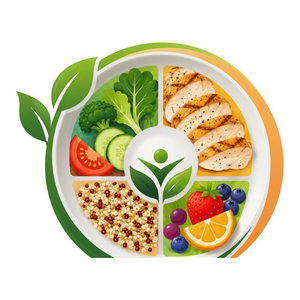
Include a satisfying protein source such as beans, lentils, eggs, fish, poultry, yogurt, tofu, or other suitable foods.
Use vegetables and fruit to add volume, fiber, flavor, and variety.
Whole grains, starchy vegetables, nuts, seeds, avocado, and oils can fit a balanced plan.
Step 2: plan fewer meals than you think
You do not need 21 completely different meals. Pick two breakfasts, two or three lunches, four dinners, one leftovers night, and one flexible meal. Repetition makes shopping easier and reduces food waste.
Step 3: use an ingredient-overlap grocery list
Choose ingredients that can serve more than one meal. A roasted vegetable can become a dinner side, grain-bowl topping, or wrap filling. Cooked beans can be used in tacos, soups, and salads.
Beginner grocery structure
- 2–3 protein options
- 3–5 vegetables
- 2–3 fruits
- 2 whole-grain or starchy options
- 1–2 healthy fat sources
- 2 quick backup meals
Step 4: plan for difficult moments
A sustainable plan includes busy evenings, eating out, leftovers, and days when motivation is low. Keep at least two meals that can be assembled in about 10 minutes using pantry, refrigerator, or freezer staples.
Step 5: avoid all-or-nothing thinking
One restaurant meal, dessert, or unplanned day does not determine your overall pattern. Return to your normal structure at the next meal rather than trying to compensate with extreme restriction.
How this connects to the main pillar
This beginner guide explains the planning process. For the broader evidence-aware framework, see our Weight Loss Meal Plan. Turn the plan into a shopping structure with the Weight Loss Grocery List. For more protein-focused planning, use High-Protein Meal Planning for Beginners.
Sources
Build a week around your own preferences.
Plate & Plan creates a personalized 7-day plan using your selected goal, eating style, activity level, and available cooking time.
Build my plan →