Healthy grocery shopping becomes much easier when you stop trying to buy every “healthy” product at once. A useful grocery list should support the meals you actually cook, fit your budget and include ingredients you can use more than once.
This guide gives you a practical foundation. You do not need to purchase every item. Choose a few options from each category and build gradually.
Start with a simple meal structure
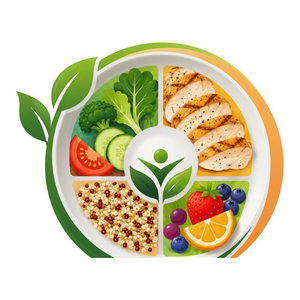
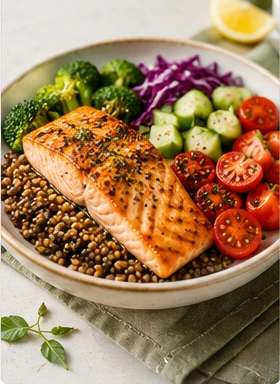
Most balanced meals can be created by combining a protein, a carbohydrate or whole grain, vegetables or fruit, and a small amount of healthy fat.
Protein foods
- Eggs
- Chicken breast or thighs
- Fish such as salmon, tuna or white fish
- Lean ground turkey or beef
- Beans, lentils and chickpeas
- Greek yogurt or plain yogurt
- Tofu or tempeh
Vegetables
Fresh vegetables are excellent, but frozen vegetables are equally useful for busy weeks and often reduce waste.
- Leafy greens
- Broccoli, cauliflower or green beans
- Bell peppers, tomatoes and cucumbers
- Carrots, onions and cabbage
- Frozen mixed vegetables
Fruit
- Bananas
- Apples or pears
- Oranges or other citrus fruit
- Berries—fresh or frozen
- Seasonal fruit available in your area
Carbohydrates and whole grains
- Rice
- Oats
- Potatoes or sweet potatoes
- Whole-grain bread or wraps
- Pasta
- Quinoa, couscous or another familiar grain
Healthy fats and flavor builders
- Olive oil or another cooking oil
- Avocado
- Nuts or seeds
- Peanut butter or another nut butter
- Lemon or lime
- Garlic, herbs and spices
- Mustard, salsa or a simple dressing
A simple one-week starter list
- Eggs
- Chicken or beans
- Plain yogurt
- Oats
- Rice or potatoes
- Whole-grain bread
- Two fresh vegetables
- One frozen vegetable
- Two types of fruit
- Olive oil
- Nuts or peanut butter
- Seasonings you enjoy
Turn one starter basket into several meals
A useful grocery list is not simply a collection of “healthy” foods. Each purchase should have a job. This example shows how a small group of familiar ingredients can work together across the week.
| Ingredient group | First use | Second use |
|---|---|---|
| Eggs or tofu, spinach, whole-grain bread | Breakfast scramble and toast | Quick lunch sandwich or grain bowl topping |
| Chicken or chickpeas, rice, mixed vegetables | Warm dinner bowl | Cold lunch bowl with dressing |
| Yogurt or fortified soy alternative, oats, fruit | Breakfast bowl | Snack or overnight oats |
| Beans, tomatoes, tortillas | Tacos | Soup, salad, or leftover wrap |
Practical check: before paying, make sure every highly perishable item appears in at least one planned meal and that the quantities match the number of people eating.
How to avoid overspending
Plan three or four main meals before shopping. Check what you already have, choose ingredients that work across several meals and avoid buying large amounts of highly perishable food without a plan.
Make the list work for your life
Your grocery list should reflect your schedule. During a busy week, choose quick proteins, frozen vegetables, microwaveable grains and simple breakfasts.
Turn your groceries into a complete 7-day plan
Plate & Plan creates a personalized meal plan around your goal, dietary preferences and available cooking time—plus a matching shopping list.