
Planning a full week of meals can make healthy eating feel simpler. Instead of deciding what to eat at the last minute, you can choose a small group of familiar ingredients, use them across several meals and shop with a clear purpose.
This sample 7-day plan is designed as a flexible starting point for general healthy eating. Portions and individual nutrition needs vary, so adjust quantities and ingredients to suit your preferences, appetite, budget and dietary needs.
How this 7-day healthy meal plan works
The plan uses familiar foods repeatedly throughout the week so that shopping and preparation stay manageable. Each day includes breakfast, lunch, dinner and an optional snack. Water or another unsweetened drink can accompany meals.
What makes a balanced meal?
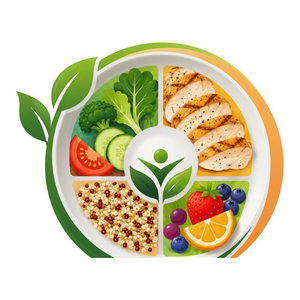
A practical balanced meal can combine a source of protein, vegetables or fruit, a carbohydrate or whole grain, and a modest amount of fat. Variety across the week is more useful than trying to make every plate identical.
Your 7-day healthy meal plan
Use this week as a flexible framework rather than a rigid menu. The meals deliberately share ingredients so that one shopping trip and a few preparation steps can support several days. Adjust portions for your appetite and needs, and use the suggested leftovers only when food has been cooled, stored and reheated safely.
Day 1
Start strongBreakfast
Oatmeal topped with banana, berries and a spoonful of peanut butter.
Lunch
Chicken and brown rice bowl with mixed vegetables and a simple lemon-herb dressing.
Dinner
Baked salmon, roasted sweet potato and broccoli.
Snack
Plain Greek yogurt with fruit.
Prep-forward move: Cook extra rice and chicken for later bowls and wraps. If you plan to use salmon for Day 2 lunch, prepare an additional portion and refrigerate it promptly.
Day 2
Reuse smartlyBreakfast
Eggs with whole-grain toast and sliced fruit.
Lunch
Leftover salmon or chickpea salad served over leafy greens with cucumber and tomato.
Dinner
Chicken and vegetable stir-fry with rice.
Snack
Apple with peanut butter or a small handful of nuts.
Use what is ready: Yesterday's cooked rice can shorten dinner preparation. Chop extra cucumber and tomato while assembling lunch so they are ready for another meal.
Day 3
Cook aheadBreakfast
Plain yogurt with oats, berries and nuts or seeds.
Lunch
Whole-grain wrap filled with chicken, greens, tomato and cucumber.
Dinner
Lentil and vegetable stew with a baked potato or whole-grain bread.
Snack
Carrot sticks with hummus.
Cook once, use twice: Make enough lentil stew for Day 4 lunch. Portion the extra serving before sitting down to dinner so tomorrow's lunch is already accounted for.
Day 4
Midweek resetBreakfast
Oatmeal with apple, cinnamon and nuts or seeds.
Lunch
Leftover lentil stew with a side salad.
Dinner
Lean turkey or bean pasta sauce served with pasta and a mixed green salad.
Snack
Orange and plain yogurt.
Midweek reset: Check the produce drawer before preparing dinner. Move vegetables that need to be used soon into Day 5's rice bowl or roast them alongside tomorrow's potatoes.
Day 5
Prep forwardBreakfast
Scrambled eggs with spinach and whole-grain toast.
Lunch
Rice bowl with beans, leftover vegetables, avocado and salsa.
Dinner
Baked chicken, roasted potatoes and green beans.
Snack
Banana with peanut butter.
Prep-forward move: Bake an extra portion of chicken for Day 6 lunch and roast enough potatoes to reuse with Day 7 breakfast.
Day 6
Use what's leftBreakfast
Yogurt bowl with banana, berries and oats.
Lunch
Chicken and vegetable wrap using leftovers from dinner.
Dinner
Fish or tofu tacos with cabbage, tomato, avocado and a simple yogurt-lime topping.
Snack
Fruit with nuts or seeds.
End-of-week check: Before buying or opening anything new, look at what remains. Extra cabbage, tomato, greens or beans can move directly into Day 7's grain bowl or soup.
Day 7
Waste-less finishBreakfast
Eggs, roasted potatoes and fruit.
Lunch
Use-what-you-have grain bowl with rice, remaining vegetables, beans or chicken and your favorite simple dressing.
Dinner
Vegetable and bean soup with whole-grain toast, followed by fruit if desired.
Snack
Plain yogurt, fruit or vegetables with hummus.
Waste-less finish: Day 7 intentionally absorbs useful leftovers. Note what remained unused and what ran out early; those two observations make next week's grocery list more accurate.
Prep once, use twice: the weekly map
A few intentionally prepared ingredients can move through the week instead of becoming forgotten leftovers.
- Rice: prepare enough for bowls, stir-fry and the end-of-week grain bowl.
- Chicken: use across bowls, wraps and a planned leftover lunch.
- Roasted vegetables and potatoes: prepare extra portions for later bowls and breakfast.
- Fresh vegetables: wash and cut several servings together, then use them across salads, wraps and tacos.
- Lentil stew: intentionally make a second serving for the following day's lunch.
Portion guide: There is no single serving size that suits everyone. Start with portions that match your usual appetite and goals, then adjust rather than forcing the same quantity every day. The purpose of this sample is to organize meals and ingredients, not prescribe an individualized calorie target.
Complete grocery list for the week
Check your kitchen before shopping and remove anything you already have. Quantities will depend on household size and portion needs.
Produce
- Bananas
- Apples
- Oranges
- Berries, fresh or frozen
- Leafy greens or spinach
- Broccoli
- Mixed vegetables
- Sweet potatoes
- White potatoes
- Carrots
- Cucumbers
- Tomatoes
- Cabbage
- Green beans
- Avocado
- Lemon or lime
- Onion and garlic
Protein and dairy or alternatives
- Eggs
- Chicken
- Salmon or another fish
- Lean ground turkey or extra beans
- Beans
- Lentils
- Chickpeas
- Plain Greek yogurt or alternative
- Tofu, if preferred
- Hummus
Grains and pantry staples
- Oats
- Brown or white rice
- Whole-grain bread
- Whole-grain wraps or tortillas
- Pasta
- Peanut or nut butter
- Nuts or seeds
- Olive oil or cooking oil
- Salsa
- Cinnamon
- Dried herbs and spices
- Low-sodium broth, if using
How to save money on your weekly grocery shop
Start by checking your refrigerator, freezer and pantry. Build meals around ingredients you already own, compare unit prices where practical and choose seasonal produce when it is less expensive.
Frozen vegetables and fruit can be useful alternatives when fresh produce is expensive or likely to spoil. Beans, lentils, eggs and canned fish can also help vary protein choices without relying on one ingredient throughout the week.
How to meal prep this plan
- Cook a batch of rice or another grain for several lunches and dinners.
- Roast a tray of potatoes and vegetables at the beginning of the week.
- Cook enough chicken or beans to use in bowls, wraps and salads.
- Wash and portion fruit and vegetables so quick snacks are ready.
- Prepare one simple dressing or sauce that works across several meals.
- Store leftovers promptly and use safe food-storage practices.
How to customize the plan for your goals
A sample plan cannot account for every person's goals, dietary preferences, schedule or energy needs. You can swap foods within similar categories—for example, tofu for chicken, another grain for rice, or a dairy alternative for yogurt—and adjust portions to suit your circumstances.
If grocery shopping itself feels difficult, read our Healthy Grocery List for Beginners for a simple food-by-food starting point. You can also browse more practical guidance in our healthy eating articles.
How to test this plan in your own kitchen
A sample menu becomes useful only when it survives a real schedule. Before shopping, mark the two busiest days and move the quickest dinners to those evenings. After the week, record three things: which ingredients remained unused, which meal created useful leftovers, and which preparation step saved the most time.
| What to review | What it tells you | Adjustment for next week |
|---|---|---|
| Unused produce | The plan included more variety than the household used. | Buy fewer types and repeat versatile vegetables. |
| Unplanned takeout | A meal required too much time or preparation. | Move a backup meal to that day. |
| Helpful leftovers | A recipe worked well across multiple meals. | Intentionally prepare an extra portion. |
| Meals people skipped | The choice did not fit appetite, preference or schedule. | Replace it rather than forcing repetition. |
Want a 7-day meal plan built around your preferences?
Use this sample as a starting point, then answer four quick questions for a personalized 7-day meal plan and shopping list based on your selected goal, eating style, activity level, and cooking time. General calorie and protein estimates are not individualized medical advice.
Ready in minutes. Personalized to your preferences. $12 one-time, no subscription. Review your preferences before secure checkout.