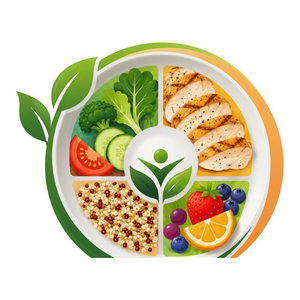
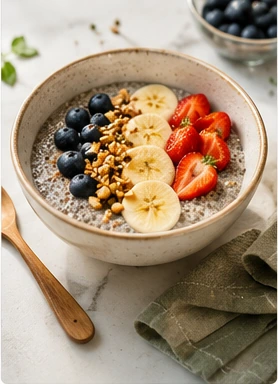
A useful meal-prep routine begins with your calendar. USDA MyPlate recommends checking what you already have, writing out meals, thinking about the time available, planning for leftovers, and building the grocery list from the plan. That is a better starting point than cooking a large number of unrelated recipes just because it is “meal-prep day.”
1. Decide what would make the week easier
Ask where your week usually breaks down. Is breakfast rushed? Do you buy lunch because nothing is ready? Do dinners become difficult after long workdays? Prep the problem you actually have.
2. Prep components, not necessarily seven complete meals
Component prep is flexible. A pot of rice, a tray of vegetables, a cooked protein food, washed greens, fruit, and one sauce can become several different meals without tasting like the same leftovers every day.
- Cook one grain or starch: rice, quinoa, potatoes, pasta, or another staple you enjoy.
- Prepare one or two protein foods: beans, lentils, tofu, eggs, poultry, fish, yogurt, or another appropriate choice.
- Handle the produce: wash fruit, chop sturdy vegetables, or roast vegetables that reheat well.
- Add flavor: make or buy one dressing, salsa, herb mixture, or sauce.
This gives you enough structure to assemble meals while preserving variety.
3. Build a short weekly menu before shopping
Choose a few anchor meals and deliberately reuse ingredients. For example, roasted vegetables can appear beside dinner, in a grain bowl, and in a wrap. Beans can support tacos one night and a salad or soup later in the week. MyPlate also suggests using a mix of fresh, frozen, and shelf-stable foods so you have options that last beyond the first few days.
4. Use a simple prep sequence
You do not need a rigid timer, but an efficient sequence prevents unnecessary waiting:
- Start the longest-cooking item, such as a grain or roasted vegetables.
- Prepare the protein component while that cooks.
- Wash and cut produce that will be used cold.
- Mix a sauce or dressing.
- Cool and store foods safely.
- Label anything you may otherwise forget.
If you only have a short window, choose the two tasks with the greatest weekday payoff. A small prep session that you repeat is more useful than an ambitious session you abandon.
5. Store prepared food safely
Food safety matters as much as convenience. USDA Food Safety and Inspection Service guidance says cooked leftovers should generally be refrigerated promptly, stored in covered or airtight containers, and used within 3 to 4 days when kept refrigerated. Foods that will not be eaten within that window can often be frozen instead, depending on the food.
Perishable food should not sit at room temperature for more than 2 hours, or more than 1 hour when the temperature is above 90°F (32°C). USDA guidance also recommends reheating leftovers to 165°F (74°C).
6. Keep “emergency meals” in the freezer and pantry
A good prep system assumes that some weeks will not go as planned. Keep a few low-effort options such as canned beans, frozen vegetables, eggs, whole-grain bread, shelf-stable grains, soup ingredients, or frozen portions of meals you already enjoy.
This is also where meal prep can support a budget: using what is already in the freezer, pantry, and refrigerator before shopping reduces duplicate purchases and gives ingredients a clear purpose.
7. Try a simple 5-day prep framework
- Monday: grain bowl using your prepped grain, vegetables, protein, and sauce.
- Tuesday: wraps or tacos using overlapping ingredients.
- Wednesday: sheet-pan or skillet dinner with fresh and prepped components.
- Thursday: leftovers or a freezer backup.
- Friday: pasta, soup, or another quick meal using remaining ingredients.
The purpose is not to make every week look the same. It is to create a default structure that reduces the number of decisions you need to make when time and energy are limited.
8. Review the system, not just the food
At the end of the week, ask which prepared items you actually used. Did chopped vegetables help? Did pre-cooked lunches prevent last-minute purchases? Did you prep too much? Did anything spoil? Adjust the next week based on those answers.
A sustainable meal-prep routine usually becomes smaller and more specific over time. You learn which tasks save you the most effort and which ones are unnecessary.
Sources and further reading
- USDA MyPlate — Make a Plan — weekly meal-planning, shopping, leftovers, and time-saving guidance.
- USDA FSIS — Leftovers and Food Safety — storage, chilling, thawing, and reheating guidance.