If you are new to meal planning, begin with structure rather than perfection. The goal is to create enough predictability to make shopping and weekday meals easier while leaving room for leftovers, social plans, changing schedules, and foods you genuinely enjoy.
1. Start with the week you actually have
Before choosing recipes, look at your calendar. Mark evenings when you will be home, days when lunch needs to travel, and times when cooking energy will probably be low. A realistic plan often includes a mix of cooked meals, leftovers, quick assembly meals, and one or two flexible slots.
2. Build meals from a few dependable components
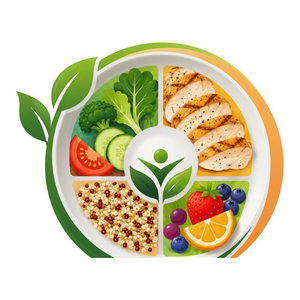
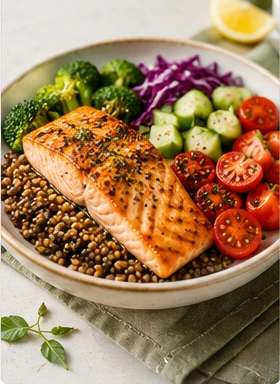
A simple way to think about a meal is to combine produce, a protein food, a grain or other satisfying carbohydrate when desired, and a flavorful addition such as herbs, sauce, nuts, seeds, or healthy oils. USDA MyPlate encourages variety across fruits, vegetables, grains, protein foods, and dairy or fortified soy alternatives, while emphasizing nutrient-dense choices.
That does not require every plate to look identical. Breakfast might be oats, berries, yogurt, and nuts. Lunch could be a grain bowl with vegetables and beans. Dinner might be roasted vegetables, chicken or tofu, and rice. The point is variety across the day and week rather than rigid rules.
3. Choose two or three “anchor meals”
Anchor meals are dependable choices you can repeat without much thought. They reduce planning effort and help use ingredients efficiently.
- Breakfast anchor: oatmeal with fruit and yogurt, or eggs with whole-grain toast and fruit.
- Lunch anchor: grain bowl, wrap, soup, or leftovers with vegetables.
- Dinner anchor: sheet-pan protein and vegetables, stir-fry, tacos, pasta with vegetables, or a bean-based bowl.
Repeating a breakfast or lunch several times is not a planning failure. It is often what makes a plan practical.
4. Plan ingredient overlap on purpose
Choose ingredients that can appear in more than one meal. A tray of roasted vegetables can become a dinner side, a lunch bowl, and a filling for wraps. Cooked rice can support a stir-fry one night and a grain bowl the next day. Beans can move from tacos to salad or soup.
This approach helps limit food waste and keeps the grocery list manageable. It also reduces the number of separate cooking tasks you need during the week.
5. Make the grocery list from the plan—not from memory
Once the meals are chosen, scan each one for ingredients and group the list by section: produce, protein foods, grains and breads, dairy or alternatives, pantry items, frozen foods, and flavor additions. Check your kitchen before buying duplicates.
If grocery shopping feels overwhelming, start with our healthy grocery list for beginners, then customize it around the meals you actually intend to make.
6. Prepare only the tasks that save you time
You do not need a full meal-prep marathon. Ask which one or two tasks would make tomorrow easier. That might mean washing produce, cooking a grain, portioning snacks, mixing a sauce, or preparing one protein food.
7. Keep a backup meal
Every plan needs a low-effort option for the day when the schedule falls apart. Good backups use ingredients you already keep around: eggs and toast, beans and rice, frozen vegetables with a grain and protein, soup with a sandwich, or yogurt, fruit, and nuts for a lighter meal.
A simple 5-day example
- Monday: sheet-pan chicken or tofu, potatoes, and mixed vegetables.
- Tuesday: grain bowls using leftover vegetables and protein.
- Wednesday: tacos with beans or lean protein, cabbage, salsa, and avocado.
- Thursday: leftovers or a flexible freezer/pantry meal.
- Friday: pasta with vegetables, a protein choice, and a simple salad.
The exact foods matter less than the system: repeat ingredients, match meals to your schedule, and leave breathing room.
How to know whether your plan is working
A good plan should make the week easier. After seven days, ask: Did I buy food I actually used? Did I have a workable option when I was busy? Were there enough foods I enjoyed? Did I create too many leftovers or not enough? Use those answers to adjust the following week.
Meal planning improves through repetition. Your second week does not need to look more impressive than your first—it simply needs to fit your routine better.
A 15-minute planning worksheet
Use this short process before writing a shopping list. It turns the general method above into a repeatable decision tool.
- Mark the difficult days: circle evenings with work, appointments, travel, or limited cooking time.
- Assign three anchor meals: choose one batch meal, one quick meal, and one flexible leftovers meal.
- Check ingredient overlap: identify at least three ingredients that appear in two or more meals.
- Add a fallback: choose one pantry or freezer meal that can replace any disrupted dinner.
End-of-week check: note what was eaten, what was wasted, and which meal was easiest to repeat. Use those observations—not an idealized schedule—to build the following week.
Sources and further reading
- USDA MyPlate — food-group and healthy-eating guidance.
- Dietary Guidelines for Americans — federal nutrition guidance and supporting resources.