The hardest part of meal planning for a 12-hour nursing shift is not knowing what foods exist. It is building a plan that still works when the unit gets busy. A useful plan needs to survive an early commute, an unpredictable break, limited refrigerator space, and the temptation to rely on vending machines after several demanding hours.
This guide uses a practical one-plus-two-plus-one framework: pack one main meal, two small flexible options, and have one simple meal ready for after work. It is not a clinical diet or a promise about energy, weight, or health outcomes. It is an organization system designed to reduce decisions.
Start with the realities of your shift
Before choosing recipes, map the conditions that determine whether you will actually eat what you pack:
- Commute: How long will food be away from refrigeration?
- Storage: Is a staff refrigerator consistently available, or do you need an insulated bag?
- Break pattern: Can you usually sit for one meal, or are several short opportunities more realistic?
- Reheating: Is a microwave accessible without a long wait?
- After-work capacity: Will you cook after the shift, or should dinner already be ready?
The one-plus-two-plus-one packing framework
The mini-meals are more useful when each includes at least two food groups. Examples include yogurt with fruit, hummus with vegetables and pita, cheese with whole-grain crackers and fruit, or a nut or seed butter sandwich. Choose foods appropriate for your dietary needs and workplace allergy rules.
A sample plan for three consecutive shifts
This example intentionally reuses components without making every day identical. Portions should be adjusted for the individual; Plate & Plan does not prescribe clinical calorie or macronutrient targets.
| Shift | Main meal | Two flexible options | Post-shift option |
|---|---|---|---|
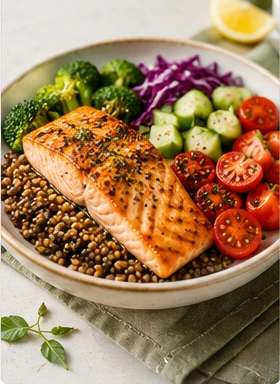
| Day 1 | Chicken or tofu grain bowl with roasted vegetables and lemon dressing | Yogurt with berries; apple with peanut or seed butter | Vegetable soup with toast |
| Day 2 | Whole-grain wrap using the same chicken or tofu, greens, vegetables, and dressing | Hummus with carrots and pita; cheese or a non-dairy alternative with fruit | Eggs or beans on toast with tomatoes |
| Day 3 | Bean, grain, and roasted-vegetable salad with a different sauce or seasoning | Overnight oats; trail mix portion with fresh fruit | Frozen pre-portioned meal or leftovers |
If you work nights, your sequence may differ. NIOSH training material for nurses suggests preserving a normal day-and-night meal pattern when practical, reducing intake between midnight and 6 a.m., and avoiding a large meal close to the main sleep period. Those are general suggestions—not rules for everyone. Your health needs, medications, pregnancy, medical conditions, and tolerance may require individual guidance.
A 60-minute preparation sequence
- Start the longest item: cook a grain or roast potatoes and vegetables.
- Prepare one adaptable protein food: chicken, tofu, beans, lentils, eggs, fish, or another suitable option.
- Mix one sauce: a dressing, salsa, yogurt sauce, or allergen-appropriate alternative.
- Assemble shift one: pack the first main meal and its two mini-meals.
- Stage shifts two and three: keep components separate for quick assembly and better texture.
- Prepare the recovery meal: portion soup, leftovers, or a freezer meal where it is easy to see.
If you have only 20 minutes, prioritize tomorrow's main meal, two grab-and-go options, and the after-work meal. The goal is not an impressive refrigerator; it is fewer decisions during a demanding stretch.
Portable meal combinations that work without complicated recipes
Choose lower-mess foods, leak-resistant containers, and meals that remain acceptable if the microwave line is long. If a food has a strong odor, consider whether it is practical in your staff area.
Adjusting the system for night shift
Night shift does not require a completely different grocery list. It often requires a different sequence. You might eat a main meal before work, pack a moderate meal for earlier in the shift, keep lighter options for later, and have a small breakfast available before daytime sleep if hunger would otherwise wake you.
NIOSH guidance specifically advises night workers to avoid heavy, fatty, or spicy foods and large meals shortly before the main sleep period. Use that as a starting point and notice what is comfortable for you. Avoid presenting a single schedule as universally correct.
Build a backup layer for unpredictable breaks
Keep one or two shelf-stable choices in your work bag or locker, subject to workplace policies. Examples include an unopened tuna or bean pouch, whole-grain crackers, a nut or seed butter packet, shelf-stable milk, roasted chickpeas, or dried fruit. Check labels for allergens and expiration dates.
- Needs no microwave
- Can be opened and eaten quickly
- Does not depend on a refrigerator
- Fits your dietary needs and unit policies
- Is replaced after use or before expiration
A backup is not evidence that you planned poorly. It is part of planning for an environment in which priorities can change quickly.
Transport and store food safely
Perishable food needs temperature control. USDA guidance recommends an insulated lunch bag with at least two cold sources for perishable lunches when refrigeration is not immediately available. Refrigerate the bag when you arrive if a refrigerator is available.
USDA also advises that perishable food should not remain at room temperature for more than two hours, or more than one hour when the temperature is above 90°F (32°C). Cooked leftovers are generally refrigerated for three to four days and reheated to 165°F (74°C). Follow current instructions for the specific food and discard anything handled or stored unsafely.
A grocery framework for three shifts
Choose from each row based on preferences, allergies, budget, and what you already have. Buying a shorter list of versatile foods is usually easier than shopping for three unrelated recipes.
| Category | Choose 1–3 | How it helps |
|---|---|---|
| Protein foods | Beans, lentils, tofu, eggs, yogurt, chicken, fish, cheese or alternatives | Main meals and mini-meals |
| Grains/starches | Oats, rice, quinoa, potatoes, whole-grain bread, wraps, crackers | Bowls, wraps, breakfast, backups |
| Produce | Two sturdy vegetables, salad greens, two portable fruits, frozen vegetables | Variety with limited prep |
| Flavor | Dressing, salsa, herbs, hummus, lemon, preferred seasoning | Changes repeated components |
| Emergency layer | Soup, frozen portion, shelf-stable protein, crackers, dried fruit | Covers delayed prep or changed plans |
Five common planning mistakes
- Packing only one meal: one delayed break can disrupt the entire plan.
- Depending on reheating: include at least one option that is good cold.
- Preparing all three meals fully assembled: some ingredients keep better when stored separately.
- Forgetting the drive home: a ready post-shift meal protects the last decision of the day.
- Changing everything at once: repeat the framework and change only one or two foods each week.
Frequently asked questions
How many meals should I pack for a 12-hour nursing shift?
There is no universal number. This guide recommends one main meal plus two smaller flexible options because it adapts to changing break opportunities. Your individual needs may differ.
What if I cannot refrigerate or reheat my lunch?
Use an insulated bag and appropriate cold sources for perishables, or choose shelf-stable foods. Pack at least one meal that does not rely on a microwave, and follow USDA storage guidance.
Should day-shift and night-shift plans be different?
The foods can overlap, but the timing and size of meals may change. NIOSH offers general night-work suggestions; individual medical or nutrition needs should be discussed with a qualified professional.
Can Plate & Plan account for my exact hospital schedule?
The current product personalizes a 7-day plan using your selected goal, eating style, activity level, and cooking time. It does not yet provide clinician-directed meal timing or medical nutrition therapy. You can use this shift-work framework alongside the generated plan to decide what to prepare and pack.